 By Anna Scharf
The 2017 canola harvest in the Willamette Valley will be remembered as cold and wet – not ideal canola-growing conditions. But for regional canola growers, such conditions represent an important opportunity to grow a beneficial rotation crop.
 The Northern Canola Growers Association (NCGA) has been hard at work over the past few years to expand research and initiatives supporting canola in the Northern Plains. It allocates a significant portion of its funds to public research in canola in areas of highest importance to growers.
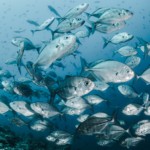 Omega-3 fatty acids are in high demand. Research has shown that some of their nutritional benefits include decreasing triglycerides and the risk of abnormal heartbeats, even slightly lowering blood pressure levels. But the heightened demand continues to pressure wild fish populations that are harvested to produce fish meal and fish oil for aquafeed – these are the primary sources of omega-3 fatty acids used to grow healthy (and tasty) salmon. That’s where Cargill, BASF Plant Science and Montana agriculture come in.
 The increase in canola oil use is
  WASHINGTON, Feb. 28, 2017 – The U.S. Department of Agriculture’s (USDA’s)
  Not long after joining the Washington Oilseed Cropping Systems (WOCS) project at Washington State University 10 years ago, I had the good fortune of meeting a farmer in eastern Washington who had been growing canola for more than 20 years. This farmer told me about an effort in the mid-90s – when production was finally gaining some steam – to create a Pacific Northwest (PNW) canola and rapeseed association. However, that effort ‘faded away’after several years. The idea resurfaced five years ago, but again, did not go anywhere. All the while, acreage in the PNW continued an upward trend.
 Don’t look now, but more yellow flowers may be popping up across Kansas, and they are not of the sunflower variety, which is the official state flower.
 While many policy matters are on idle as we enter the heat of summer and this election year, biodiesel policy issues are not slowing down.